

Sam Johnson

Why References From Previous Jobs Are Necessary?

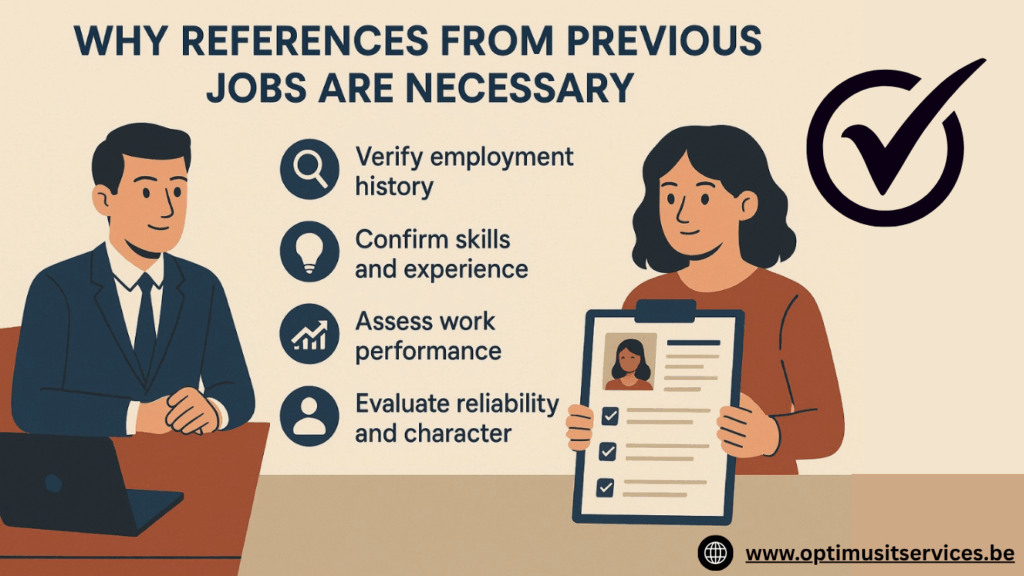
In today’s competitive job market, resumes and interviews only tell part of the story. One of the most reliable ways employers validate a candidate’s background is through professional references from previous jobs. But why are references so essential? Here’s why they matter — both for employers and job seekers. Why References From Previous Jobs Are Necessary? 1. ✅ Verifying Employment History Employers use references to confirm that candidates have actually held the roles and responsibilities listed on their CVs. This builds trust and ensures transparency throughout the hiring process. 2. 💡 Confirming Skills and Experience A resume may claim certain skills, but references can offer real-world context. Former managers and colleagues can provide valuable insights into a candidate’s technical abilities, soft skills, and their contribution to past projects. 3. 📈 Assessing Work Performance A reference helps employers understand how a candidate performed in their previous roles. Were they punctual? Did they meet deadlines? Did they go beyond expectations? Honest feedback from former employers speaks volumes. 4. 👥 Evaluating Reliability and Character It’s not just about performance — it’s also about attitude, teamwork, and dependability. A reference can reflect how a candidate handles pressure, collaborates with others, or adapts to challenges. 5. 🔄 Reducing Hiring Risks Bad hires are costly — in both time and money. References help reduce that risk by offering a fuller picture of the candidate before making a commitment. Final Thoughts References are more than a formality — they’re a critical part of the recruitment process that ensures the right talent is placed in the right role. If you’re a candidate, keep your references ready. If you’re an employer, never skip this step — it’s your key to hiring smart.

Why References From Previous Jobs Are Necessary? Read More »
Why Recruiters Need Candidate ID — And Why It Matters.

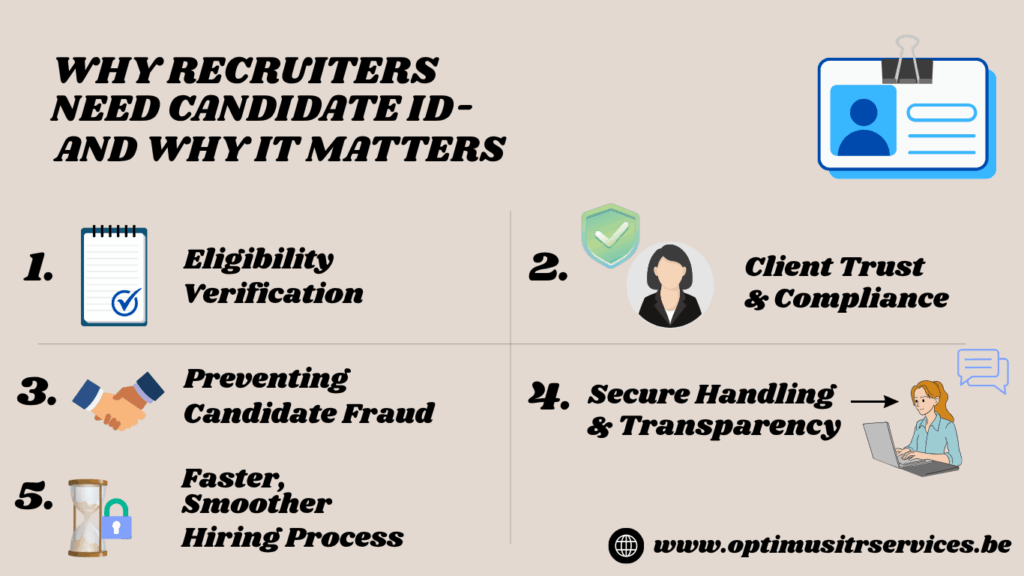
Let’s talk about something that’s becoming a hot topic in recruiting: ID verification. As recruiters, we understand how cautious candidates are about sharing personal information — especially in an age of scams, data breaches, and digital distrust. But from our side of the table, there are legitimate reasons we may request an ID during the recruitment process. Why Recruiters Need Candidate ID — And Why It Matters Here’s why it matters: ⸻ ✅ 1. Eligibility Verification Before we can move forward with certain clients — especially for contract or government-related roles — we’re often required to verify work eligibility or right to work in a specific country. This isn’t just a formality; it’s a legal requirement in many cases. ID is one way to confirm that quickly and accurately. 🤝 2. Client Trust & Compliance Many of our clients require pre-screening and documentation before they even review a candidate’s CV. By providing ID upfront, candidates can be submitted with confidence, knowing they meet the basic compliance standards the client expects. 🧾 3. Preventing Candidate Fraud Unfortunately, just as candidates face scams, so do employers. We’ve seen cases where individuals:• Misrepresent their identity or experience• Send proxies to interviews• Use multiple aliases for duplicate applications Verifying ID helps protect our clients and maintain the integrity of the hiring process. 🔐 4. Secure Handling & Transparency Reputable recruiters don’t take your trust lightly. We’re committed to handling sensitive information securely and in compliance with privacy laws like GDPR or HIPAA. If you’re unsure — ask us how we store your data and who can access it. A trustworthy recruiter should always be happy to explain. ⏳ 5. Faster, Smoother Hiring Process In fast-moving industries like tech or finance, timelines can be tight. Pre-verifying your ID means less friction later — no last-minute paperwork delays when an offer comes in. It’s about being prepared and proactive. ⸻ We Hear You.Your privacy matters — and your skepticism isn’t unreasonable. That’s why we believe in clear communication. If we ask for ID, we’ll always explain:• Why it’s needed• When it’s required• How it will be used and protected ⸻ Let’s build trust together.Because at the end of the day, recruitment works best when candidates and recruiters are on the same team.

Why Recruiters Need Candidate ID — And Why It Matters. Read More »

Why Work Permit Is Important to Work In Belgium

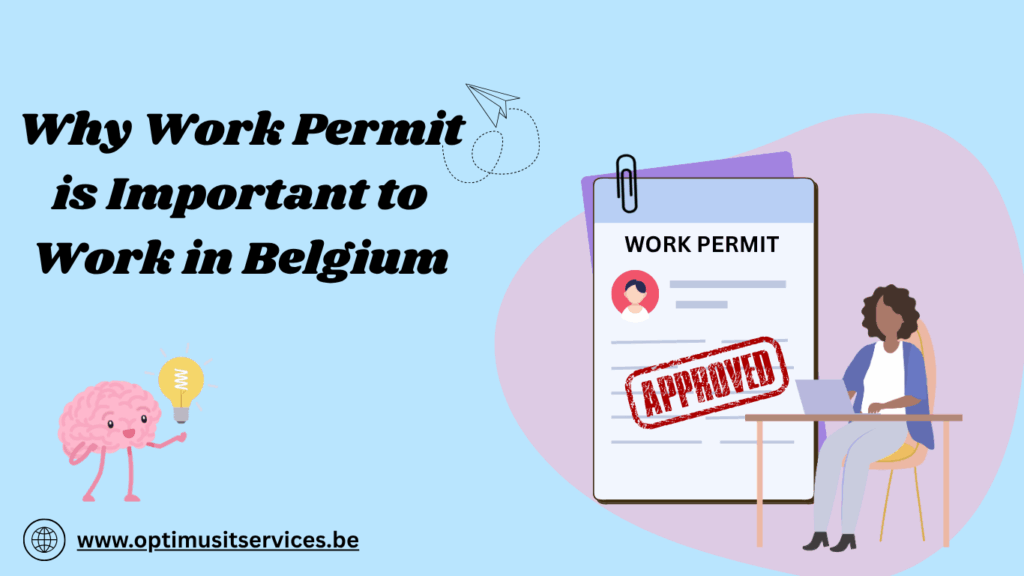
Belgium is more than just waffles, chocolate, and beautiful medieval cities. It’s also a hub for international business, European politics, and a high quality of life—making it an attractive destination for professionals worldwide. However, if you’re a non-EU/EEA citizen or not from Switzerland, there’s one thing that can make or break your opportunity to work here legally: a work permit. It might seem like just another bureaucratic process, but in reality, it’s the legal key that unlocks everything from job opportunities to long-term residency. In this post, we’ll walk you through why getting a work permit is not just important—it’s absolutely essential. Why Work Permit is Important to Work in Belgium 1. It’s the Law: Work Without a Permit and You Risk Serious Trouble Let’s start with the basics: working in Belgium without a valid work permit is illegal. And the consequences are not light. For You (the Employee): For Employers: In short: a work permit protects both you and your employer. It’s your proof that you’re allowed to work and that you’re doing it the right way. 2. No Work Permit = No Job Offers Unless you’re covered by an exemption (such as being a highly-skilled worker in a critical sector), Belgian employers legally cannot hire you without a valid work permit. That means even if you have an impressive resume, top qualifications, and glowing references—your job application likely won’t even be considered without that permit. Having a work permit says: It’s your entry ticket into the Belgian job market. Without it, you’re stuck outside the door. 3. It Gives You Legal Rights and Workplace Protections Getting a work permit isn’t just about legality—it’s also about your safety, your dignity, and your future. With a valid work permit, you are entitled to the same rights as any legally employed person in Belgium: Working without a permit often means working under-the-table—no contracts, no benefits, and no real protection. You’re far more vulnerable to exploitation, abuse, or sudden job loss. 4. It’s the First Step Toward a Stable Future in Belgium A valid work permit isn’t just about today—it’s your foundation for tomorrow. Here’s why: Without a legal work record, your chances of staying long-term are slim to none. 5. You Contribute to the Belgian System—and That’s a Good Thing When you work legally in Belgium, you’re part of something bigger. That kind of contribution builds trust, opens more opportunities, and helps you truly integrate into Belgian life. So, Is a Work Permit Really That Important? Absolutely. It’s not just a legal formality—it’s a non-negotiable requirement for building a stable, fulfilling life in Belgium. To sum it up, a work permit: Final Thoughts: Make It a Priority Yes, the process might be complex. Yes, it might take time. But investing the effort to secure your work permit is investing in your future. Make sure you: At the end of the day, getting that work permit means you’re not just visiting Belgium—you’re building a life here. Need help navigating the work permit process? Visit us at www.optimusitservices.be for personalized guidance and support. Let’s make your Belgian dream a reality—legally, securely, and confidently.

Why Work Permit Is Important to Work In Belgium Read More »